
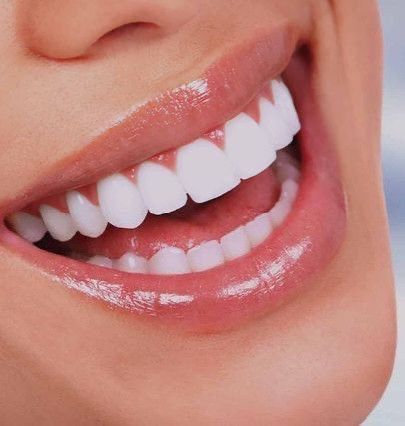
Your smile is one of the first things people notice — keeping it healthy, strong, and bright requires consistent care. Good oral hygiene not only improves your appearance but also helps prevent gum disease, cavities, and long-term health issues like heart disease and diabetes. In this comprehensive guide, we'll explore essential dental habits backed by dental professionals that can transform your oral health.
The Importance of Oral Health
Oral health is more than just having a bright smile. Your mouth is the gateway to your body, and poor dental hygiene can lead to serious health complications. Research shows connections between gum disease and conditions like diabetes, heart disease, stroke, and respiratory issues. Maintaining good oral health contributes to your overall well-being and can even boost your confidence and social interactions.


✔ 1. Brush Twice a Day — The Right Way
Most people brush daily but few use the correct technique. Use a soft-bristled brush, angle it at 45 degrees toward your gums, and brush for a full two minutes using gentle circular motions. Cover all surfaces: outer, inner, and chewing surfaces of your teeth.
Expert Tip: Don't brush immediately after eating acidic foods or drinks. Wait 30 minutes to allow your saliva to neutralize acids and remineralize your enamel.
Frequency: Brush in the morning and before bed. Nighttime brushing is especially important as it removes the day's accumulation of plaque and food particles.
✔ 2. Don't Skip Flossing
Flossing clears food particles and plaque from areas even the best toothbrush can't reach — between your teeth and under the gumline. When left untouched, these areas can develop cavities and gum disease.
How to Floss Properly: Use about 18 inches of floss. Wrap most around each middle finger, leaving 1-2 inches to work with. Gently slide it between teeth, curving into a C-shape against each tooth. Don't snap the floss into your gums.
Alternatives: If traditional flossing is difficult, consider water flossers, interdental brushes, or floss picks. The best tool is the one you'll use consistently.
✔ 3. Limit Sugary Foods & Acidic Drinks
Sugars feed harmful bacteria in your mouth that produce acid, leading to enamel erosion and cavities. Meanwhile, acidic foods like soda, sports drinks, citrus fruits, and wine can directly weaken enamel.
Smart Choices: Opt for water or milk instead of sugary drinks. Choose fresh fruits over dried fruits, which stick to teeth. If you do consume acidic foods or drinks, rinse with water afterward and wait before brushing.
Timing Matters: It's better to consume sweets during meals rather than as snacks, as increased saliva production during meals helps neutralize acids and wash away sugars.
✔ 4. Drink More Water
Water is nature's mouthwash. It helps wash away food particles, regulates saliva production (your mouth's natural defense against cavities), and maintains oral freshness.
Fluoridated Water: Choose fluoridated water whenever possible. Fluoride strengthens tooth enamel and helps repair early signs of tooth decay. If your tap water isn't fluoridated, ask your dentist about fluoride supplements or treatments.
Carry a Water Bottle: Keep water with you throughout the day. Sip regularly, especially after meals and snacks, to help cleanse your mouth and stay hydrated.
✔ 5. Schedule Professional Checkups
Visiting your dentist every 6 months ensures early detection of issues before they become serious problems. Professional cleanings remove plaque and tartar that you can't remove at home, preventing gum disease and decay.
What to Expect: During a checkup, your dentist will examine your teeth, gums, and mouth for signs of disease or other problems. X-rays may be taken to detect issues not visible during a visual exam. Your dental hygienist will perform a professional cleaning to remove plaque and tartar.
Early Detection: Regular visits allow your dentist to identify problems early when they're easier and less expensive to treat. They can also screen for oral cancer, which is highly treatable when caught early.
Additional Pro Tips
1. Tongue Cleaning: Bacteria also accumulate on your tongue, contributing to bad breath. Use a tongue scraper or brush your tongue gently when brushing your teeth.
2. Mouthguard for Sports: If you play contact sports, wear a mouthguard to protect your teeth from injury.
3. Night Guard for Grinding: If you grind your teeth at night (bruxism), ask your dentist about a custom night guard to protect your teeth from damage.
4. Replace Your Toothbrush: Change your toothbrush every 3-4 months, or sooner if bristles become frayed. A worn toothbrush doesn't clean effectively.
5. Consider Electric Toothbrushes: Studies show that electric toothbrushes can be more effective at removing plaque, especially for people with limited dexterity.
Key Takeaways
- Consistency is Key: Make oral care a non-negotiable daily habit
- Proper Technique Matters: How you brush is more important than how often
- Prevention is Cheaper: Preventive care costs less than treatment
- Oral Health = Overall Health: Your mouth health impacts your entire body
- Professional Help is Essential: Regular dental visits catch problems early
- Hydration Helps: Water is your teeth's best friend
- Mind Your Diet: What you eat affects your oral health significantly
Final Thoughts
Building smart dental habits doesn't happen overnight, but with consistency and the right techniques, you can maintain a healthy, beautiful smile for life. Remember that good oral hygiene is an investment in your overall health. Start implementing these tips today, and don't hesitate to consult with dental professionals for personalized advice based on your specific needs.
Your smile is worth protecting. With these simple yet effective habits, you're not just caring for your teeth — you're investing in your long-term health, confidence, and quality of life.